
{config.cms_name} 首页 / 聚酯纱线产品 / 聚酯 DTY
ZHENYI CHEMICAL FIBER
聚酯 DTY

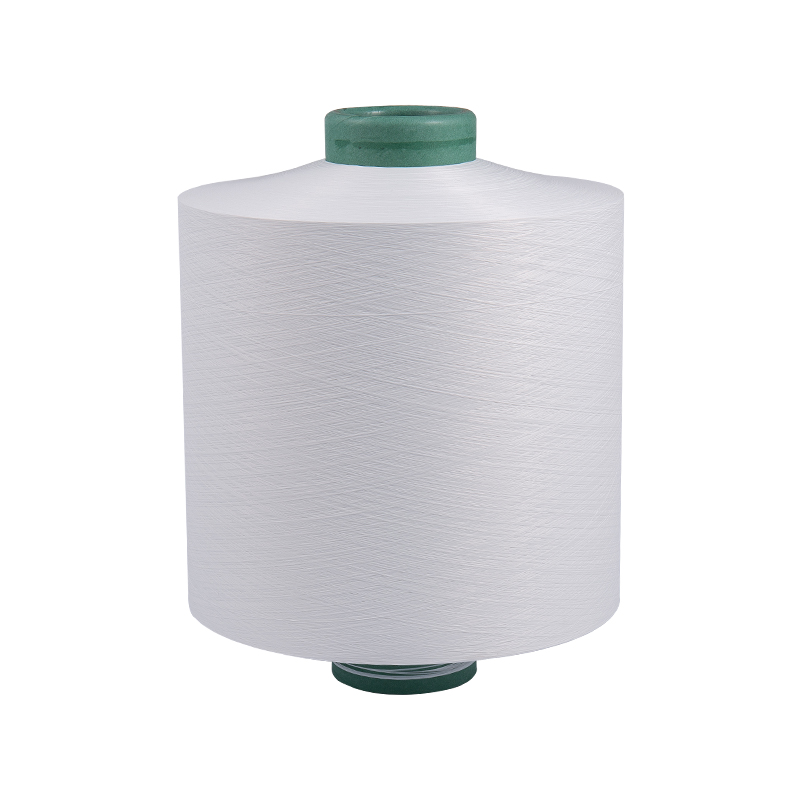
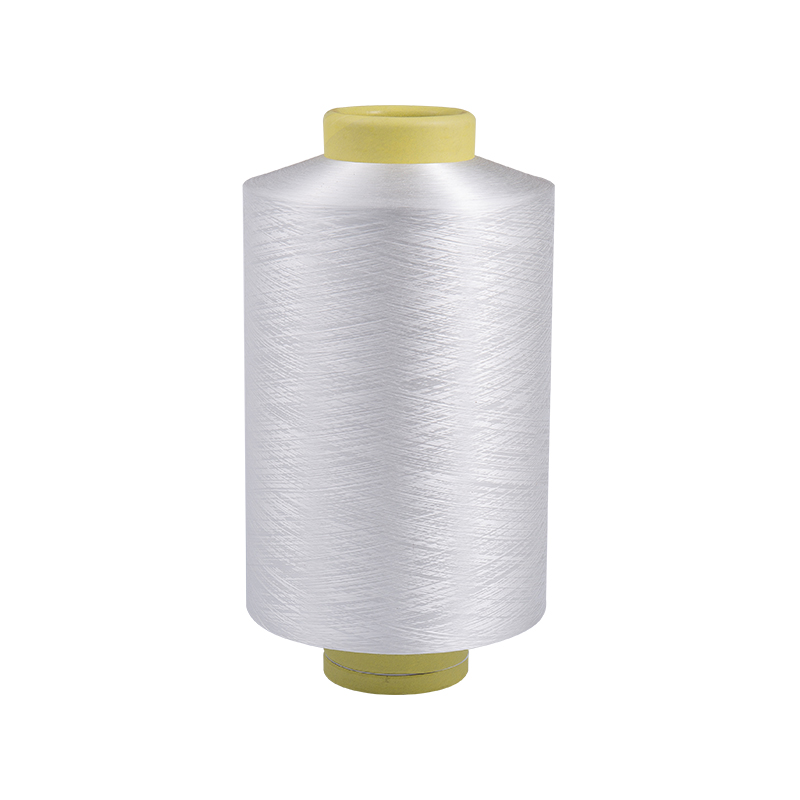
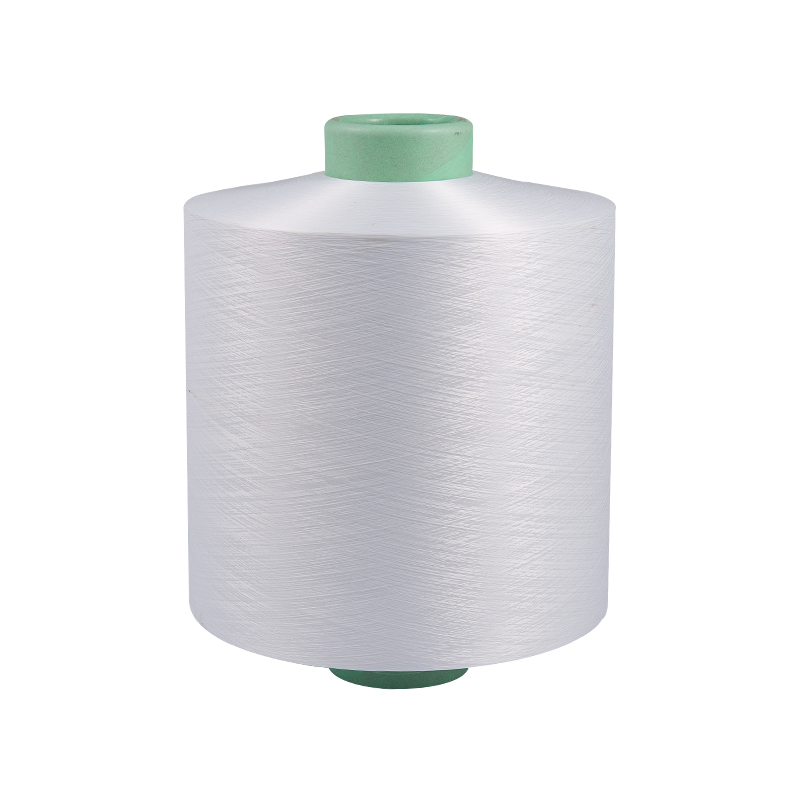
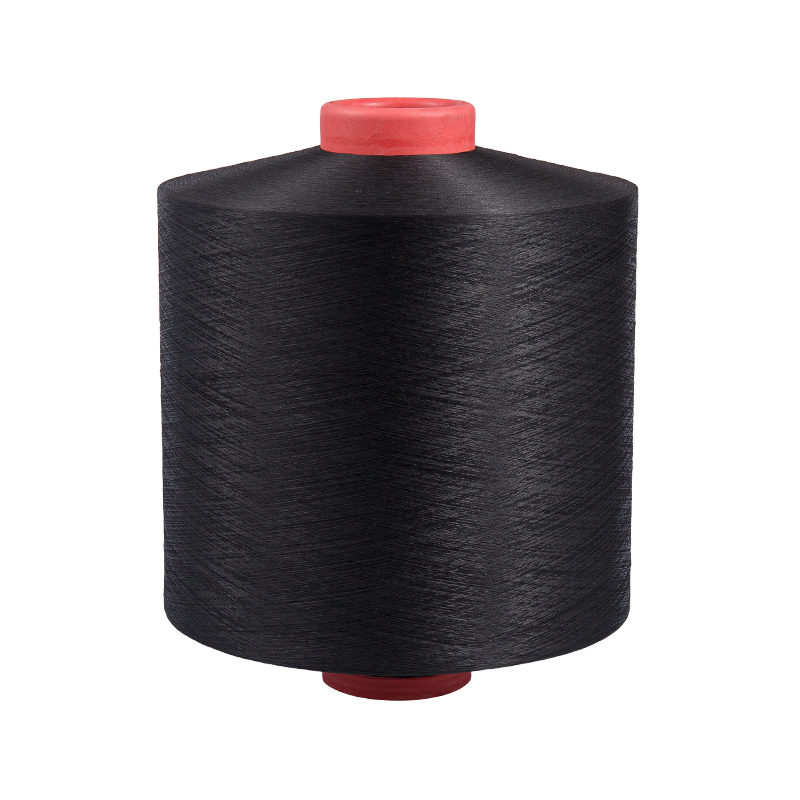
聚酯 DTY 是一种纹理长丝,有半暗、亮、全暗、阳离子和掺杂染色版本。振义化纤提供织造、圆织、雪尼尔生产、超锁和家用纺织品应用的原白和彩色规格,仅在确认的情况下采用NIM、SIM、HIM或微混合结构。

关于 振益化纤

镇义化纤以2007年的制造经验为基础,将魏恩和宝毅生产基地整合到一个综合业务体系下。我们专注于聚酯DTY的生产和销售,国际贸易和客户支持由Shoyee International Trading Co., Ltd。提供。

魏恩智能制造(嘉兴)有限公司经营魏恩生产工厂,占地面积约 13,300 米²(20 立方米)。桐乡宝毅纺织有限公司经营宝毅生产设施,占地面积约10,000米²(15亩)。

两家工厂的总生产车间建筑面积约为 100,000 m²,并配备 100 台拉伸纹理机,使聚酯 DTY 的总生产能力高达每天 400 公吨。他们为中国和海外的客户生产各种旦尼尔、灯丝数量、光泽类型和混合水平的 DTY。

2007

制造自
行业知识
  • 为什么“NIM、SIM、HIM”比单独的否认者更重要
  • DTY 纱线与 FDY 和 POY:快速区分
  • 阅读涤纶拉伸变形丝测试报告
  • 提供五种 DTY 整理剂可供选择
  • 为什么“NIM、SIM、HIM”比单独的否认者更重要

    振益化纤 涤纶低弹丝 系列围绕三个混合级别(NIM、SIM 和 HIM)构建,而跳过此细节的买家通常会收到在下游加工中表现出意外的纱线。 NIM(非混合或轻度混合)适合需要最大长丝铺展和柔软度的应用; SIM 为一般针织和机织提供适度的抱合力; HIM 更紧密地锁定长丝,减少高速圆机和整经过程中的长丝分离。相同的纤度和长丝数在这三种结构中的表现可能截然不同。

  • DTY 纱线与 FDY 和 POY:快速区分

    刚接触聚酯长丝采购的买家有时会使用“ 低弹丝 ”和“POY”可以互换,但它们是不同的中间阶段。 POY(部分取向丝)是一种低结晶度前体,通常用于进一步拉伸变形或作为假捻原料; DTY 是一种拉伸和变形产品,具有内置膨松度和弹力,可用于针织或机织。如果您的织物需要弹力恢复和直接从锥体上膨松,DTY 涤纶纱是正确的要求 - POY 本身在针织机上的表现不会相同。

  • Reading a Polyester Draw Textured Yarn Test Report

    A proper Polyester Draw Textured Yarn test report covers breaking strength, elongation at break, boiling water shrinkage and intermingle points per meter — not just denier and filament count. Elongation and shrinkage figures tell you how the yarn will behave during dyeing and heat-setting, which matters more for finished-fabric consistency than the nominal denier printed on the cone label. When comparing quotes from different mills, ask for these four figures alongside the price; a lower price attached to a wider elongation tolerance is not necessarily the better deal. Zhenyi Chemical Fiber retains batch samples specifically so these figures can be traced back to a production lot if a dispute arises later.

  • Choosing Between the Five DTY Finishes on Offer

    Semi-dull, bright, full-dull, cationic and dope-dyed each solve a different visual or functional problem rather than being purely cosmetic choices. Semi-dull is the general-purpose default for apparel and home textiles; bright suits decorative weaving where surface sheen is wanted; full-dull removes shine for a flatter, more natural-fiber-like hand; cationic enables deep, colorfast shades on cationic dye systems; and dope-dyed skips the dyeing stage entirely for colors confirmed at melt-spinning stage. Matching the finish to the dyeing route planned downstream, before ordering, avoids reprocessing later.